
Welcome to The Business Ops Blog
Here, you’ll find articles on operations, execution, and the systems behind scale. I use this space to break down the bottlenecks, weak handoffs, and structural problems that shape how companies actually run.
Don’t See What You’re looking For Yet? Send your request here and I’ll add it to the queue.

Maximum Control, Minimum Support
This analysis breaks down World Athletics’ new transfer rules, the logic behind them, and why athlete mobility matters in a financially fragile pro track system.

The Sponsorship Rulebook Track Never Teaches
Most athletes are taught that medals create security. Sponsorship doesn’t work that way. Brands pay for demand, not results, which is why even a top-3 hurdler can enter a season as a free agent.

Right Athlete, Right Time, Right Test Needs Receipts
If anti-doping is shifting from random volume to targeted intelligence, the AIU needs to provide receipts, not reassurance. This boardroom memo breaks down the auditable operating model required to protect the sport’s commercial legitimacy.

Authority Without Confidence: The Stalled Reality of Anti-Doping in World Athletics
While World Athletics sells the illusion of a perfectly clean field, its own integrity unit admits the system has stalled against sophisticated cheats. This investigation audits the data behind the "credibility gap" and the legal fragility of a monopoly built on authority without verified confidence.
Selling a Sport vs. Selling a Solution
These weren’t competing leagues. One was a traditional sports business trying to survive on tickets and media rights, the other is a healthcare platform using controversy to buy attention and valuation.

Authority Without Obligation
Sebastian Coe can call the Enhanced Games “bollocks” all day. The bigger issue is that World Athletics threatens long bans in a sport where most athletes are not salaried and don’t have guaranteed income. If the governing body can block an earning option, it owes a clear, credible replacement plan for how athletes actually make a living outside Olympic years.

The Forces That Keep Track Fragmented
Track looks like it has a season because the Diamond League has a logo and a schedule, but the week-to-week reality is still driven by three forces that don’t care about branding: the calendar, the money, and negotiated participation. Until track has league-level control over those inputs, it will keep producing circuit-level outcomes, no matter how polished the wrapper looks.

Diamond League: The League That Can’t Enforce Anything
The Diamond League isn’t a broken league. It’s a “league” that can’t enforce anything, because the deal that created it protected meet autonomy over centralized control. Part 2 breaks down how a global rebrand and a big sponsorship check made the product look more unified without changing the structure that keeps it behaving like a circuit.
The League Fantasy, On Repeat
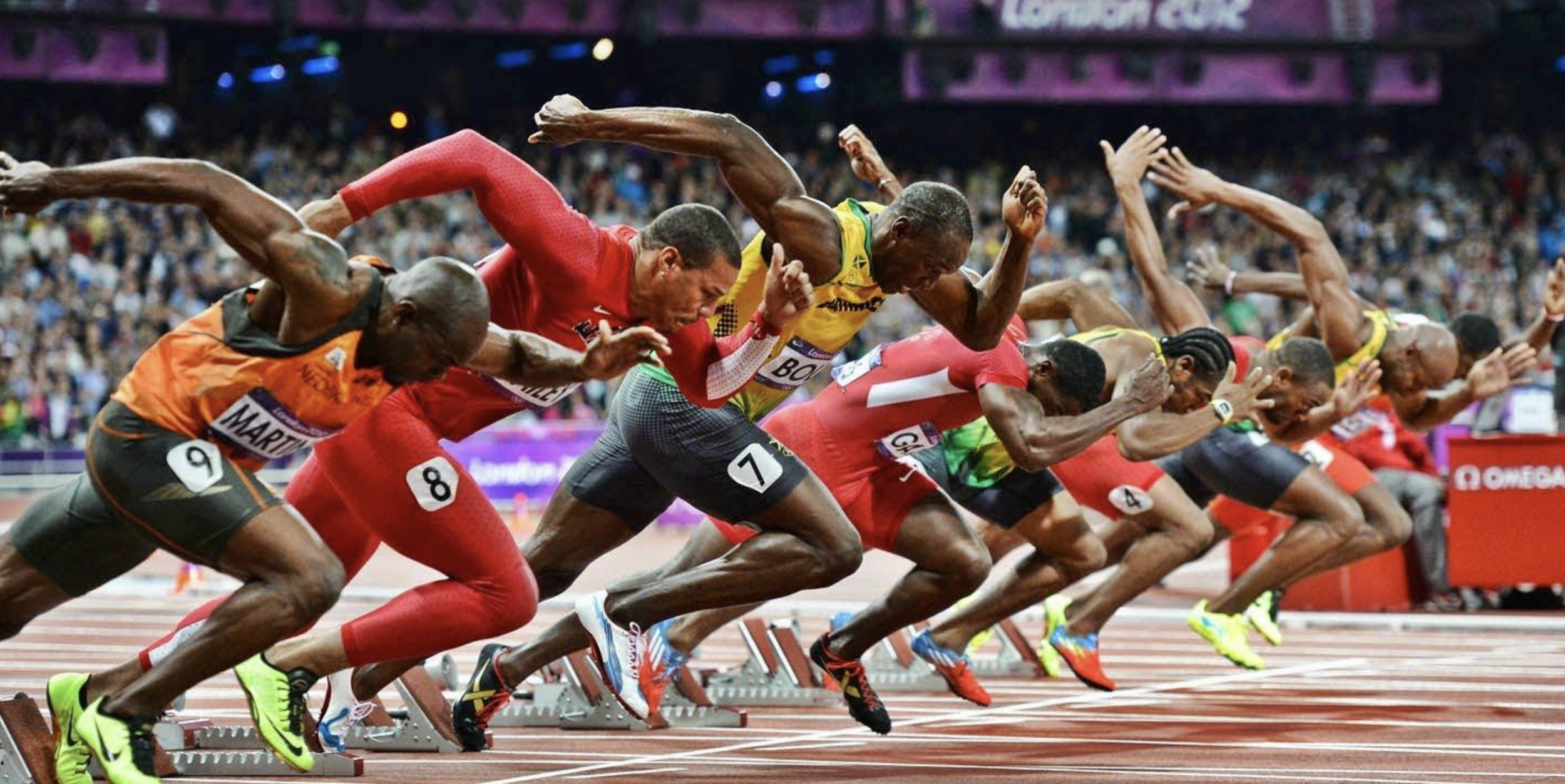
Every few years, someone looks at track’s chaos and says, “Easy. Build a league.” Then the sport does what it always does: prioritize championships, outsource risk to promoters, and let the pro season run like a freelance marketplace. That isn’t a glitch. It’s the design. Athletics is two overlapping systems with two different goals, and calling everything a “league” just hides the real structural conflict.

When Does World Athletics’ Responsibility to Athletes End?
World Athletics tightly governs eligibility, rankings, and competition access across Track & Field. What it does not clearly define is where its responsibility to athletes begins or ends. This article examines how that boundary is implied through system design rather than stated outright, and what happens to athletes when support quietly disappears while regulation remains.

From Bankruptcy to Backbone: Rethinking How Track and Field Scales
This article examines why Grand Slam Track (GST) 1.0 failed and lays out a blueprint for GST 2.0. It argues that instead of building another league, the sport needs an Operating System that centralizes discovery, data, and fan engagement to make track and field self-sustaining and profitable.

The Money Talk Is Missing a Name
Track money talk usually focuses on the visible checks: shoe contracts, meet invites, prize money, federations. The missing player is often World Athletics, even though it controls the rules, calendar, and eligibility standards that decide what “counts” and who gets access to opportunity. When WA can delay transfers with a waiting period or set reimbursement and accommodation standards, it’s shaping athlete cash flow and leverage without ever signing a paycheck.